



Aftertreatment issues are one of the biggest concerns for transportation directors and technicians. In older buses, manual regens are frequent and maintenance costs can be high. But it doesn’t have to be that way. There are solutions in the market today to eliminate virtually all aftertreatment issues. Have an older engine? No problem, a quick and easy fix may work for you.
Here are a few solutions based on engine type and age:
I have a 2010 (or later) Cummins engine – If you have a Cummins engine, model year 2010 or later, a Thomas Built Dealer can walk you through how to set up the Stay Warm Feature on your engines. This simple parameter change will greatly decrease the number of manual regens needed.
Here’s why: In school buses, active regens start when the engine gets hot enough, but the regen will be interrupted as the engine cools down. This plays into the stop-and-go nature of school buses. With Stay Warm, the engine stays warm long enough for the active regeneration to complete.
After just a year of launching the Stay Warm feature, school districts are seeing up to a 75-percent decrease in aftertreatment-related issues, while other school districts now have zero DPF-related maintenance issues.
Find Out More About Stay Warm
I have a newer Cummins engine from 2017 (or later) – For districts with newer fleets, Cummins has added Stay Warm as a standard-factory-programmed feature on all Cummins engines with a standard exhaust configuration starting in April 2017.
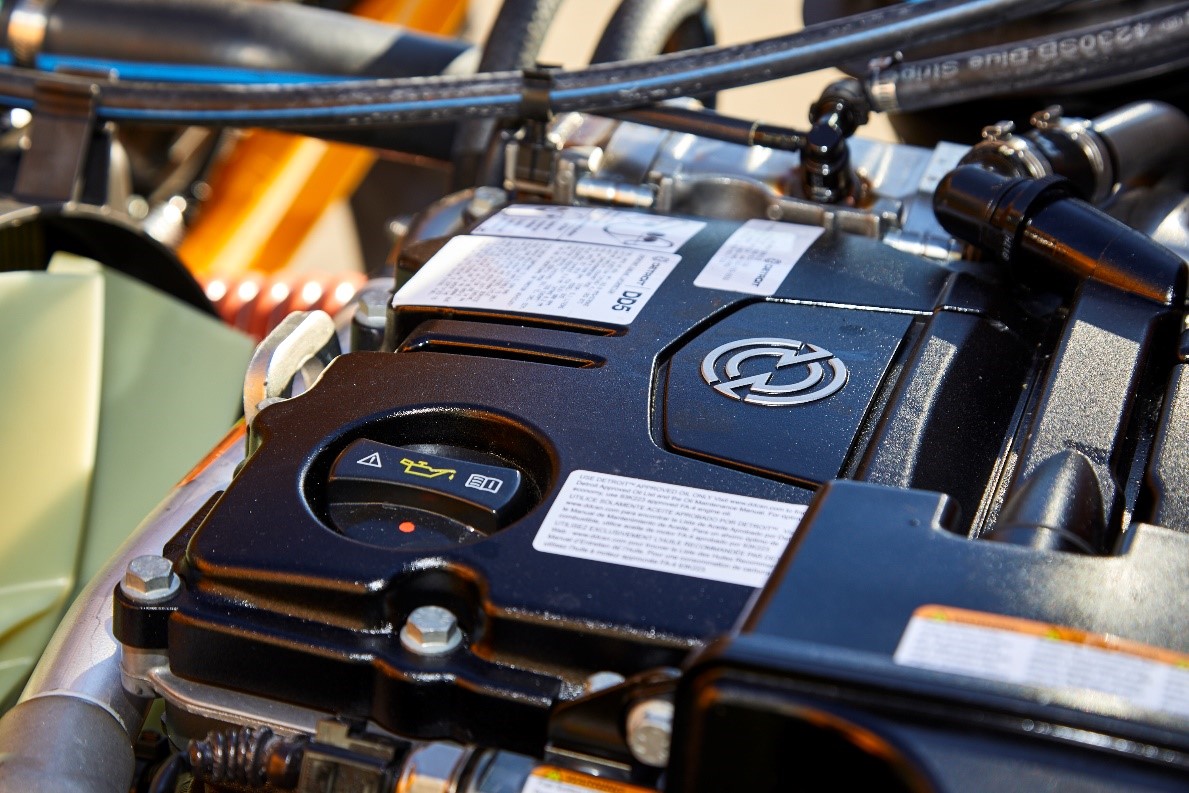
I am in the market for a new clean-diesel engine – Newer engines like the Detroit® DD5™ and DD8™ engines are constructed using variable cam phasing, which keeps the aftertreatment system in an ideal state, even in stop-and-go operations. Which means that usually no manual regens are required. To date, Detroit is leading the industry with this proprietary technology not available to any other manufacturer.
Talk To Your Local Dealer About New Diesel Technology
If you still are struggling with your diesel engine, there is hope. With a simple parameter change or knowing what to shop for in your next clean-diesel engine, you can shift your time and energy to more important things in your fleet.
