How DTNA’s corporate safety team uses creativity and innovation to build a safety culture.
By Jennifer Shaw, Corporate Safety Manager
When most people hear workplace safety, “cool” probably isn’t the first word that comes to mind. We’re working to change that.
At DTNA, safety is a multidisciplinary profession. Our teams blend engineering, chemistry, physiology, data analytics, legal expertise, human factors, risk management and influence to understand how work happens and make it safer. Our goal is simple: protect people, understand risks and make sure everyone can do every job safely.
That responsibility is serious, but safety doesn’t have to be boring. If we want people to connect with safety, talk about it and ultimately own it, we must find ways to make it relevant, connected and, yes, even fun.
Sometimes that means data and engineering.
Sometimes it means challenging the way we’ve always done something.
And sometimes… it means a really cool T-shirt.
Safety Principle
At DTNA, safety isn’t just a priority. It’s a conviction. Priorities can shift. Our responsibility to protect people doesn’t.
Bringing that conviction to life means understanding how work actually happens, building engaged safety leaders who recognize and manage risk, and giving employees the tools and knowledge they need to do every job safely.
Safety isn’t one-size-fits-all. Every site, process and operation brings different challenges. Our Corporate Safety team connects those differences through common standards, strong safety systems, education, data, and shared learning, while working alongside site safety
teams who understand their operations best.
But technical expertise alone doesn’t create a culture of safety. Relationships do. We must understand the work, listen to the people doing it and build enough trust to challenge each other when something doesn’t make sense.
That’s where safety stops being a program and starts becoming how we work.
Creating the Culture
A strong safety culture doesn’t happen because we have great policies or programs. It happens when safety matters to people, they understand their role and they feel connected to something bigger.
That’s part of what inspired Safetypalooza. Since 2019, it has brought our safety teams together to learn from one another, challenge our thinking, build relationships and connect what’s happening at our sites to the larger DTNA safety strategy. This year, we hosted our eighth annual Safetypalooza at the Thomas Built Buses plant, bringing our teams together to continue building those connections and sharing ideas.
And we intentionally make it fun.
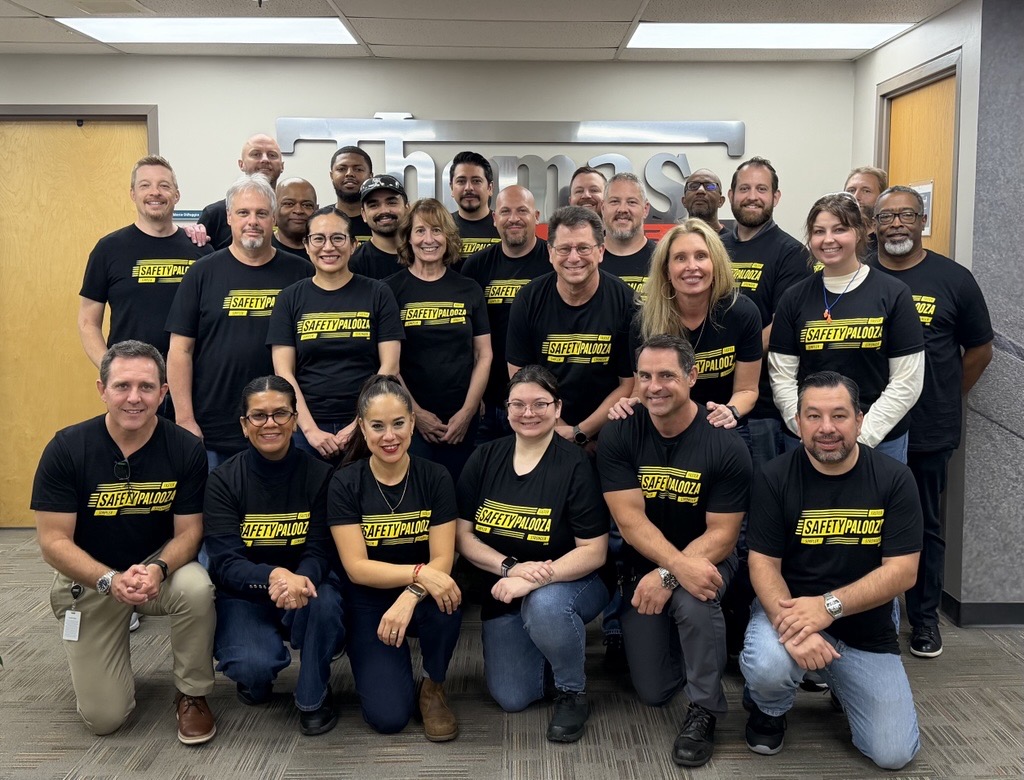
Safetypalooza doesn’t look or feel like a traditional safety conference. We talk about serious things, but we try not to take ourselves too seriously. We’ve introduced our team’s specialties as “superpowers,” went whitewater rafting together and created T-shirts that have somehow become legendary.
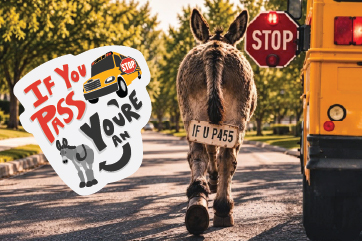
Seriously. People actually look forward to the safety T-shirt.
Some have even become collectors’ items. People keep them, wear them and compare their favorites from year to year. It might sound like a small thing, but to me it represents something much bigger: people want to be associated with safety.
That’s really the idea behind “Safety is Cool.”
It’s not about making safety less serious. It’s about making it something people connect with, take pride in and want to be part of.
That connection doesn’t happen at just one event. We work on it all year, building relationships, sharing ideas and creating a community where people look out for one another.
Relationships matter. That’s how culture gets built.
Insight into Action
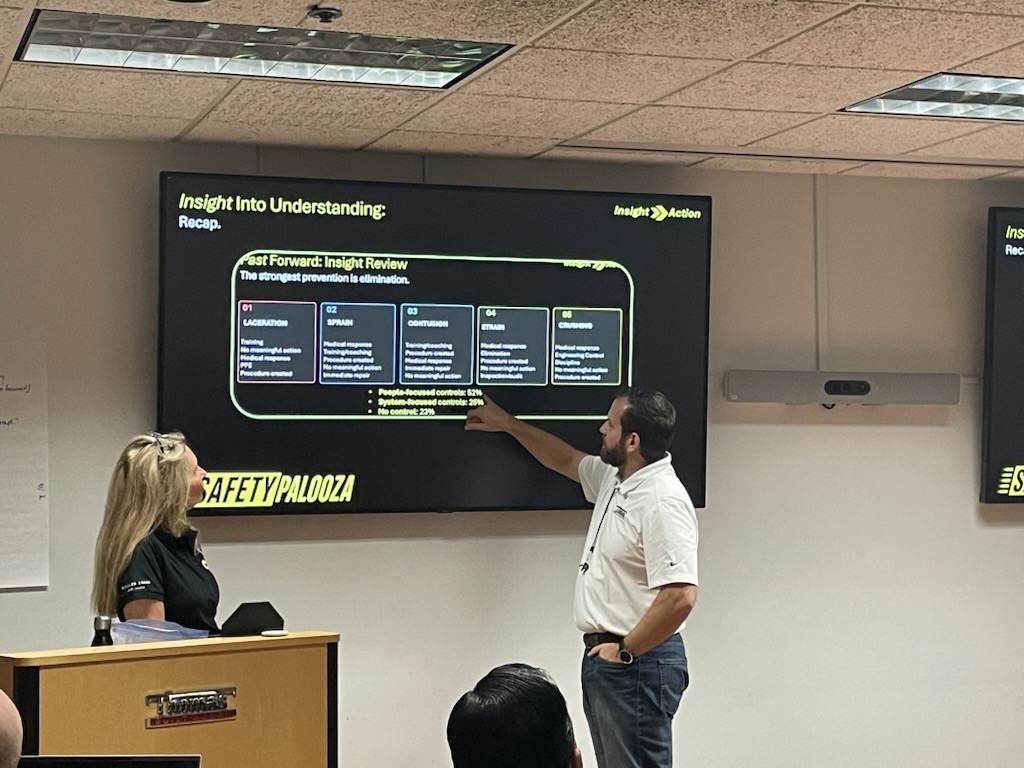
That same focus on connection and shared responsibility shapes how we think about the future of safety. This year’s Safetypalooza theme was about moving from insight to action. We looked honestly at where we are today, where we want to be in 2030 and what comes next and how we need to think differently about safety along the way.
But we didn’t want to just talk about the future. We wanted our teams to help design it.
We challenged our teams to think beyond traditional safety metrics and consider what leaders will need to know in 2030. What signals could help us recognize risk sooner? How can AI and analytics help us connect the information we already have and see what we might otherwise miss?
AI and analytics can help us manage workplace and business risks by revealing patterns and signals that may otherwise go unnoticed. Better data and emerging technology could help us recognize changing risks sooner and give engaged safety leaders the information they need to make better, faster decisions. Could we get to a point where a leader has the right insight to make a critical safety decision in 30 seconds?
But faster insight doesn’t replace human judgment. We must keep the human in the analytics. Technology can help surface patterns and signals, but people bring the context, experience and judgment to understand what they mean and what to do next. It’s a balanced approach to safety.
Because sometimes, the right decision made in 30 seconds could save a life.
That’s what makes the future of safety exciting to me.
The connection between global, corporate and local strategy is what makes that future possible. Standards give us consistency and direction. Our site teams bring the operational knowledge and experience that make those standards work in the real world. We need both.
Ultimately, safety will always be about people. Technology, data and AI can help us see things differently and potentially act sooner, but our goal remains the same: give people what they need to recognize risk, make good decisions and look out for one another.
That’s Simpler, Faster, Stronger. And that’s how we keep Safety Cool.
Jennifer Shaw is Corporate Safety Manager for Daimler Truck North America, part of the Daimler Truck Global Safety Team, and has been with the organization for 18 years.
